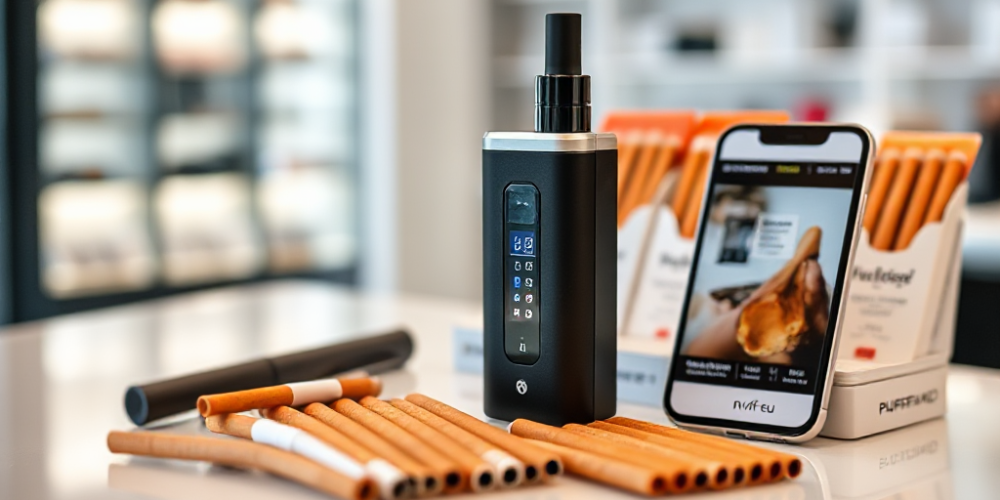
Switching to Heat-Not-Burn: Buying Sticks Online as the Habit Changes
The first week of switching is strange in a way nobody warns you about. The device arrives, you learn how long it takes to heat up, how many puffs you get before it shuts off, and how to clean it without scratching the heating element. What you do not think about at all is the supply. The starter pack came with enough sticks to last a few days, maybe a week if you are careful, and the pack in your pocket still feels like a backup rather than a plan. Then one evening you reach for a stick and the box is empty, and the habit you thought you had already changed suddenly has a logistics problem attached to it.
That moment is where most people start searching for a reliable source of consumables. If you are in France, one of the first practical stops is the range of virto sticks france buyers can order online, because the device only solves half the problem. The other half is keeping the right sticks in the house without turning every evening into a small emergency.
What follows is not a product catalogue. It is a set of transition stages, the way the switch actually feels over the first weeks and months, paired with the buying decisions that make each stage easier. The habit changes in phases, and your ordering habits should change with it.
Week One: Getting the Device Right Before the Supply
In the first days, almost all your attention goes to the device. You are comparing the taste of the first few sticks, adjusting how firmly you insert them, and figuring out whether the draw feels closer to what you expected. This is normal, and it is also why beginners under-order. The device feels like the purchase, and the sticks feel like an accessory.
The practical fix is to treat the first order of sticks as part of the device purchase, not as a separate errand. When you buy a heat-not-burn kit, add at least two or three packs of the flavour you chose, plus one pack of a different strength or blend. You will not know which one suits you until you have used the device for several days, and having a second option in the drawer prevents a bad first impression from becoming a reason to go back to cigarettes.
Flavour matters more in week one than at any other time. If the first stick tastes flat or harsh, the problem is often the match between the stick and the temperature profile of the device, not the concept itself. Ordering a small variety early is cheaper than ordering a large quantity of something you end up disliking.
Weeks Two to Four: When the Sticks Become the Real Habit
Somewhere in the second week, the device stops being interesting and starts being normal. You no longer think about the heating time, you just wait. You stop counting puffs. This is the point where consumption becomes predictable, and predictable consumption is exactly what makes online ordering work in your favour.
By now you probably know roughly how many sticks you use in a day. Multiply that by seven and you have your weekly baseline. Most people who switch from combustible cigarettes find their stick count settles a little lower than their old cigarette count, partly because each stick has a defined session length and partly because there is no half-smoked cigarette to relight. That number is your anchor for every order you place from here on.
Two to four weeks in is also when most new users start paying attention to freshness. Sticks are a tobacco product, and they respond to air and humidity the same way any tobacco product does. A pack that has been open on a kitchen counter for ten days will not taste the same as one opened this morning. Buying in quantities you will actually finish within a few weeks keeps the experience consistent, which matters a great deal while the habit is still forming.
This is where the France-specific ordering picture becomes useful. Domestic delivery keeps transit time short, which means the sticks arrive closer to the condition they left the warehouse in. When you are still calibrating your taste, that consistency is worth more than a marginally lower price from a distant seller.
Month Two: Building a Supply Rhythm Instead of Panic Buying
The first genuine test of the switch comes around the second month, when the novelty is gone and the routine has set in. This is the stage where a missed order can send you back to a shop for cigarettes simply because the alternative is not in the house. The goal is to never be in that position.
A simple rhythm works better than stockpiling. Reorder when you open your second-to-last pack, not when you open your last one. That gives you a buffer of several days, which absorbs delivery delays, weekends, and the occasional out-of-stock moment on a specific flavour. It also spreads your spending into smaller, predictable amounts instead of one large purchase every few months.
If you have settled on one flavour, it is worth ordering it in slightly larger quantities and keeping one alternative blend on hand. Variety is not just about taste. Switching between two blends keeps you from developing a blind spot where you stop noticing the product altogether, which is often the first step back toward old habits.
Payment and delivery details matter more at this stage than they did in week one. You are now buying on a schedule, so a checkout that remembers your address and a payment method you trust save real time. Look for a shop that states its delivery windows clearly for France and offers secure payment options, because a recurring purchase should feel administrative, not risky.
Months Three to Six: The Quiet Adjustments
By the third month, most people have stopped thinking of themselves as switching and started thinking of themselves as someone who uses a heat-not-burn device. The habit has moved from conscious effort to default behaviour. This is the stage where small adjustments quietly improve the whole arrangement.
The first adjustment is strength. Many users find that after a few months they naturally reach for a lighter stick, because the heavier blends were compensating for something that no longer needs compensating. Others go the other way during stressful periods. Neither direction is a problem, but it is easier to follow the change if you keep two strengths at home rather than one.
The second adjustment is device maintenance. A heating element that has accumulated residue will not extract flavour evenly, and users often blame the sticks for a problem that belongs to the device. Cleaning the device on a regular schedule keeps your judgement of the sticks accurate, which in turn keeps your ordering decisions sensible.
The third adjustment is where you buy. After several months you will have a clear sense of which flavours you actually finish and which ones sit in the drawer. That knowledge lets you order with far less trial and error, and it makes the difference between a shop that merely stocks the product and one that consistently has your specific choices available when you need them.
Steady State: What the Habit Looks Like Once It Settles
Once the switch has settled, the whole thing becomes unremarkable, which is precisely the point. You keep a pack in your bag, a few packs in a drawer, and an order that goes out every few weeks without much thought. The device is charged, the sticks are fresh, and the question of whether to buy cigarettes again has quietly stopped coming up.
At this stage, the buying considerations are simple and stable. Order the flavours you know you finish. Keep one alternative on hand. Reorder before you run low rather than after. Choose a seller with reliable delivery to France and a checkout you do not have to think about twice. None of this is dramatic, and that is what makes it work. The habit changed gradually, and the supply arrangements changed with it, one small adjustment at a time, until the new routine required no effort at all.
If you are still in the first weeks, do not worry about optimising any of this yet. Get the device working well, get a few different sticks in the house, and let the rest of the routine build itself around what you actually use. The logistics become obvious once the habit has something to be built on.